
Case study · WordPress rebuild · HVAC · UK
Hacked, slow and held up by 29 plugins. Rebuilt one to one.
The site was hacked through a plugin nobody was updating, and it was slow on mobile. Patching it would have left the same door open. So I rebuilt it: same layout, same features, a fraction of the plugins.
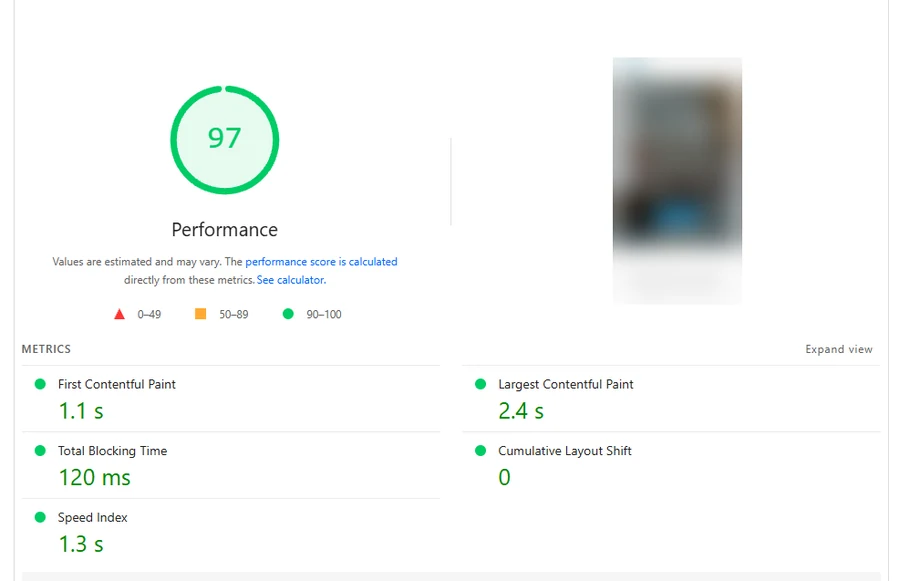
97
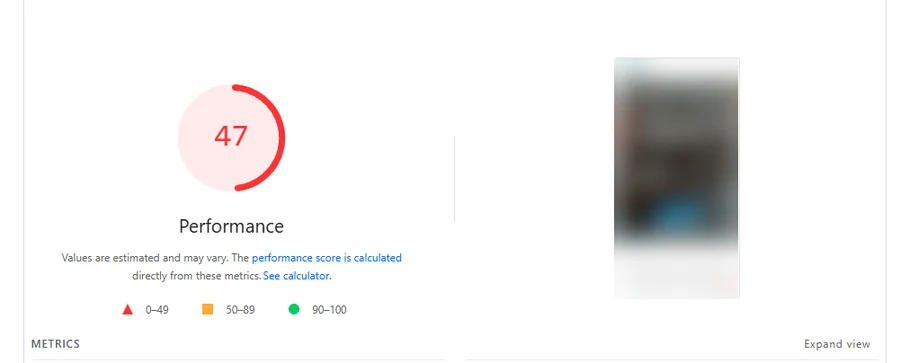
Mobile PageSpeed (was 47)
100
Desktop PageSpeed (was 73)
8
Active plugins (was 29)
| Client | UK HVAC company |
| Platform | WordPress → WordPress |
| The job | One-to-one rebuild after a hack: same layout, same features |
| Live | 2 October 2026 |
| Before | 29 active plugins, including a page builder and several paid plugins |
| After | 8 active plugins in total, no caching plugin needed. Every page editable in WordPress itself |
| The honest bit | These are lab scores from PageSpeed Insights. Real-user data isn’t in yet |
What happened
On 16 September 2026, code was injected into the site through an outdated paid plugin. It was The Grid, a premium layout plugin that had stopped getting updates on this site, and outdated plugins are exactly what automated attacks look for.
I spotted it within seven days. Not through a warning from Google, there was no manual action, but through regular maintenance: odd URLs the site never created started appearing in Search Console’s page indexing reports. Only one of the injected pages got indexed.
The hack wasn’t the only problem. The site scored 47 on mobile PageSpeed, and the plugin list had grown to 29.
Why not just clean it up?
Because the hack was a symptom. The cause was how the site was built:
- Paid plugins on a timer. A premium slider, a premium grid plugin and the theme’s own custom post types. Paid plugins stay safe only while somebody keeps paying and updating, and on this site the updates had stopped.
- A page builder holding the content. Every page was WPBakery shortcodes. Remove the builder and the content turns into a wall of brackets.
- Plugins nobody remembered installing. Jetpack, a marketplace updater, and a few more, each loading its own scripts and styles on every page.
Cleaning the hack would have left all of that in place, including the next way in.
What was rebuilt
A one-to-one rebuild on a clean block theme. Same layout, same pages, same features. Visitors shouldn’t notice anything except that it loads faster.
- Completely removed: Jetpack, Cesis custom posts, Envato Market, LayerSlider WP, The Grid and WPBakery, among others.
- 8 active plugins, and that’s all of them. No caching plugin: the site is fast without one, and it would only be one more plugin to maintain. Each of the 8 does a job the theme shouldn’t.
- Fully editable. Every section is a normal WordPress block. The owner, me, or any other developer can edit it without a page builder.
Structured data, rebuilt properly
- LocalBusiness with address, geo coordinates, opening hours, the Companies House number and all three depots
- Service with the area served, or the city on each location page
- FAQPage, Organization and WebSite
- Article with a proper author
After the switch
The rebuild went live on 2 October 2026. The one injected page that had been indexed was removed from Google with a removal request in Search Console.
| PageSpeed Insights (lab) | Before | After |
|---|---|---|
| Mobile | 47 | 97 |
| Desktop | 73 | 100 |
| Active plugins* | 29 | 8 |
*All active plugins. No caching plugin is installed: the scores come from the build itself.
The honest bits
These are lab scores. PageSpeed Insights runs a single simulated test, and the number moves a few points between runs. The first tests after launch came in at 91 to 95 on mobile; 97 is the latest. Real-user data from Chrome isn’t available for this site yet.
A rebuild doesn’t clean Google’s index by itself. The spam page disappeared from the site on day one, but it took a removal request to get it out of search results.
8 isn’t zero. The goal was never a site with no plugins. It was a site where every plugin earns its place and gets updated.
Takeaway for WordPress site owners
Check your plugin list for anything that came bundled with your theme or needs a paid licence to update. If the licence ran out, that plugin is now the weakest point of your site, and it’s the first thing bots will try.
FAQ
Questions about this case study
How do hackers get into a WordPress site through a plugin?
Usually through a plugin with a known security hole that hasn’t been updated. Once a fix is published, the hole is public knowledge, and automated bots scan the web for sites still running the old version. Here, the way in was a paid plugin that had stopped getting updates on this site.
How did you notice the site had been hacked?
In Search Console, during regular maintenance. Odd URLs the site never created started showing up in the page indexing reports within a week of the injection. There was no manual action from Google, and only one of the injected pages made it into the index.
Why rebuild the site instead of just cleaning the hack?
Because the cause was the build itself. The theme came bundled with paid plugins that only stay safe while someone keeps paying and updating, and the page builder had locked the content into its own shortcodes. Cleaning the hack would have left the same door open. Rebuilding removed the door.
Does rebuilding a hacked site remove the spam pages from Google?
Not on its own. The injected pages disappear from the site, but Google keeps the indexed copy until it recrawls or until you ask. Here the one indexed spam URL was removed with a removal request in Search Console after the rebuild.
How many plugins should a WordPress site have?
There’s no magic number. A good plugin is fine; forty of them is a liability. Every plugin is code you don’t control and an update you have to trust. This site went from 29 active plugins to 8, with no caching plugin at all, and does everything it did before.
More rebuilds
Two more, same approach.
Rebuild · WP → WP
95
mobile PageSpeed after the rebuild, up from 37
Off Elementor, onto blocks
Elementor kept breaking and the backend crawled. Same site, rebuilt on 6 plugins.
The win: Mobile PageSpeed 37 → 95, and layout shift on desktop from 0.93 to 0.002.
Rebuild · Strapi → WP
98
mobile PageSpeed after the rebuild, up from 94
Fast, but nobody could edit it
A headless Strapi and Next.js site where every change was a developer job. Rebuilt in WordPress on 3 plugins.
The win: Anyone can edit it now, and it still got faster: mobile PageSpeed 94 → 98.